
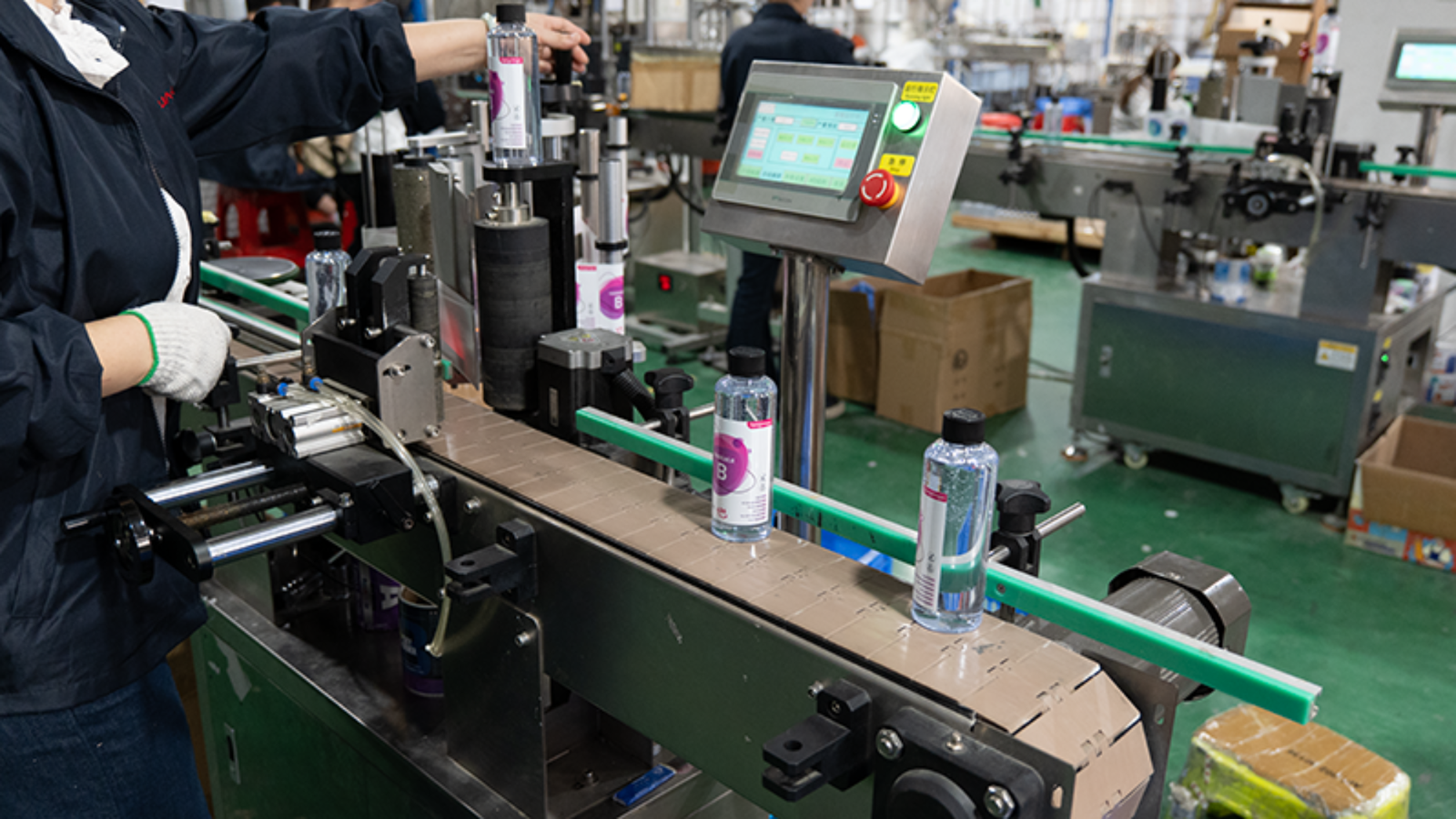
These past few years, the DIY trend has really taken off, and with industrial demand for epoxy resin products growing all the time, the global demand for these products has gone up too. Whether you’re making river tables, hand-cast crafts, industrial floors, or encapsulating electronic parts, epoxy resin is getting more and more useful. A lot of people have noticed the business opportunity here and want to start their own epoxy resin brand. But building a production line from the ground up is super expensive—most regular people just can’t come up with that much startup money. The private brand OEM/ODM model has given a lot of ordinary folks a chance; it’s a shortcut for small and medium entrepreneurs. You don’t have to drop a ton of cash on factories or equipment. Instead, you can use the production power of source factories, focus on what you’re good at—brand operation—and easily have your own epoxy resin brand, with way less risk.
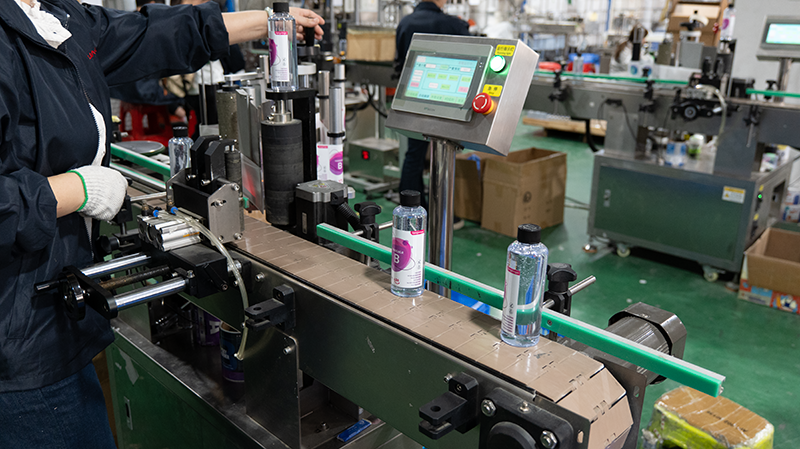
Before you start a brand, don’t rush to find a factory first. Instead, figure out your positioning—ask yourself, “Who is my brand for, and what makes it stand out from the rest?” A lot of people just jump on the OEM bandwagon, thinking “as long as I have products, I can sell them,” but they forget about brand positioning. In the end, they get stuck in the same old competition and have to slash prices to compete, which makes running the business harder and harder. Epoxy resin might seem like just one product, but it actually has a bunch of niche markets—like the DIY craft scene, deep pour casting, industrial uses, and floor coatings. Each of these markets needs epoxy resin with totally different performance. If you nail your positioning, customers will remember you, instead of you getting lost in the crowd of brands.
Once you’ve got your positioning down, the most important step is finding a reliable epoxy resin manufacturer. How strong the manufacturer is will decide if your brand can last long-term. The epoxy resin industry is all over the place—many so-called “factories” are just distributors, with no reaction kettles or testing equipment of their own. The samples they send you might be good, but when you place a big order, things can go wrong. So you’ve got to be careful when picking a manufacturer—here’s what to look for.
First, check their qualifications and strength. A real epoxy resin factory needs a business license, production license, and should be able to provide compliance documents like MSDS and REACH. They should have their own synthetic reaction kettles and testing equipment, be good at developing formulas, have steady production capacity, and keep an eye on quality from the raw materials all the way to the finished products. Second, see how flexible they are to work with. When you’re just starting out, you won’t have big orders, so find a factory that lets you do small trial runs—this way, you won’t end up with a bunch of unsold inventory. Also, check if they can customize things for you, like adjusting formulas or specs to fit your needs, or even helping design your packaging. Finally, check their reputation. Talk to other people in the industry about their experiences with the factory, or go visit the factory in person to see the production environment and how things run. Make sure they can deliver on time and have good after-sales service—that’s what makes a long-term partnership work.
Once you’ve officially teamed up with an epoxy resin manufacturer, don’t just sit back and do nothing—you’ve got to keep a close eye on quality. A lot of entrepreneurs think “OEM means the factory makes the products, and I just sell them,” but they don’t realize that if there’s a quality issue, it’s your brand that gets a bad name. I suggest that during production, either send someone to watch things on-site, or ask the factory to give you production records and test reports for every batch. Pay attention to key things like how thick the product is, how long it takes to cure, and how well it resists yellowing—make sure it’s the same as the sample they sent you. Also, check the packaging and labels carefully. They should match your brand’s style, but also follow national rules—clearly list things like ingredients, how to use it, and safety warnings, so you don’t get into trouble.
After your product launches, it’s time to promote and run your brand—that’s where the OEM model really shines, and it’s how you’ll stand out from other OEM brands. In the beginning, don’t spend a ton on ads. Instead, focus on the people who are most likely to buy your product, and try promoting on e-commerce sites and social media. If you’re targeting DIY lovers, share tutorials and handmade projects on platforms like YouTube, Instagram, and TikTok. Partner with DIY influencers, and use real customer reviews to get more loyal fans. If you’re targeting industrial customers, list your products on B2B sites like Amazon, Etsy, and WordPress independent stores. Polish up your product qualifications and case studies, reach out to decoration companies and electronic manufacturers on your own, and win them over with good, professional service.
Also, don’t overlook customer service and building a good reputation. Epoxy resin is a chemical product, so customers might run into problems while using it—like the product not curing all the way, or not using it right. Get back to customers quickly when they have questions, give them solutions, and even send free samples if needed—this will help keep them coming back. At the same time, listen to what customers have to say: what they don’t like about the product, what they need that’s different. Pass that feedback to the factory so they can improve the formula and the product, and keep your brand getting better. Over time, if you build a good reputation, customers will buy again and tell their friends, and your brand will get more and more popular.
There are also some common mistakes to watch out for. When you work with a factory, make sure you sign a formal contract. Write down what each side is responsible for—like product quality standards, delivery times, after-sales duties, and who owns the intellectual property. Don’t just rely on verbal agreements; that’s how disputes happen later. Also, don’t just go for the cheapest option. Factories that offer super low prices usually cut corners on raw materials and quality checks, and that will only ruin your brand in the end.
If you’re looking to get into the epoxy resin industry, building a private brand through OEM production is a great way to start—it’s not too hard to get in, but there’s a lot of potential. In fact, a lot of the well-known brands we see now got their start this way too. They took it step by step, kept making their products and services better, built up a good reputation little by little, and eventually grew bigger and stronger. As long as your product quality stays consistent, you know who you’re targeting with your brand, and you’re willing to put in a little patience and keep at it, you can absolutely build your own epoxy resin brand—it’s not as out of reach as you might think.